Shay Zilberman presents Speech-Grille, a title borrowed from an enigmatic poem by the Jewish-German poet Paul Celan. The poem was written in 1944, inspired by a postcard that hung in Celan’s room depicting the gate of a monastery made of an iron grille – a perforated architectural remnant through which medieval nuns communicated with the outside world.
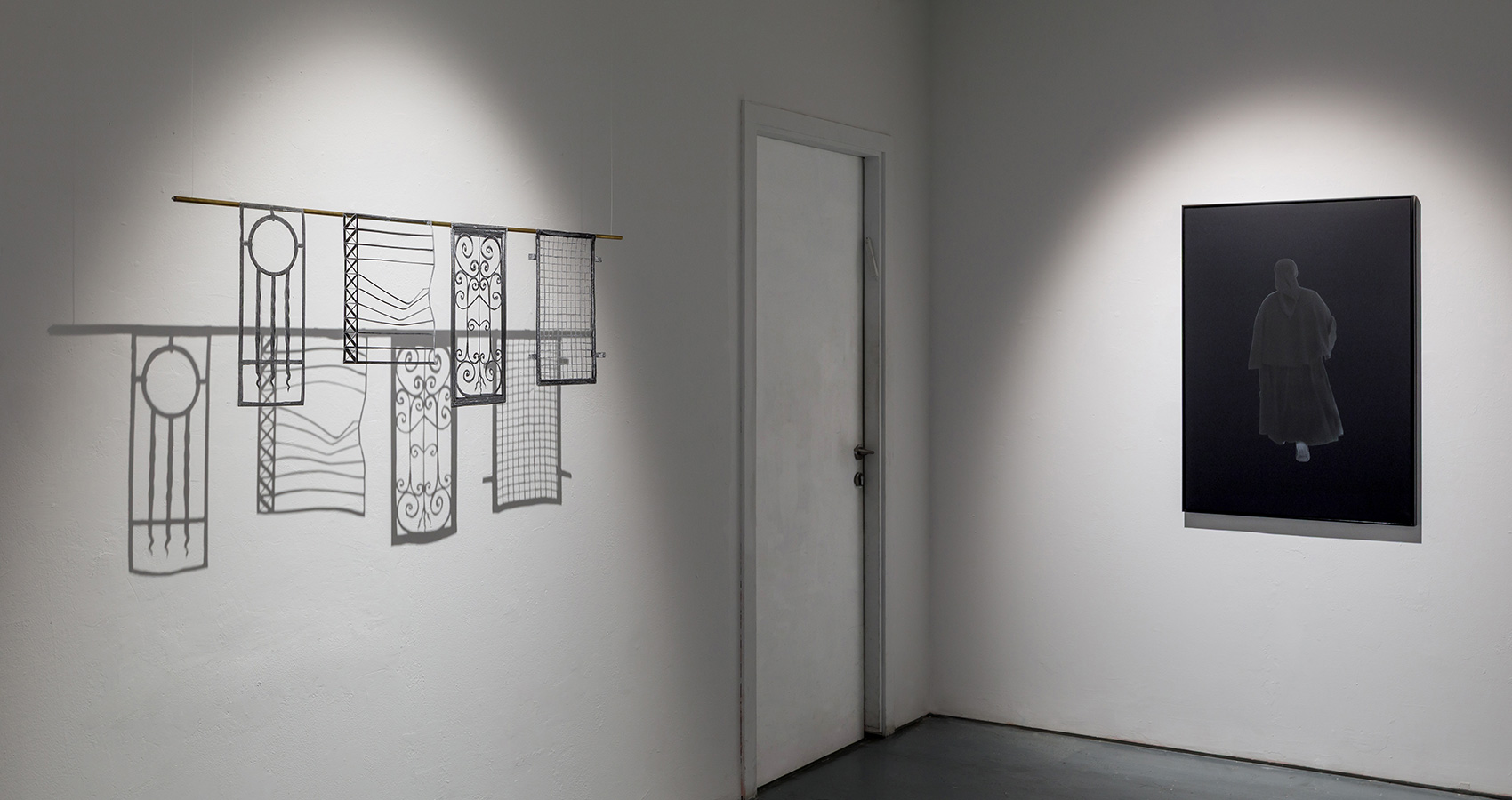
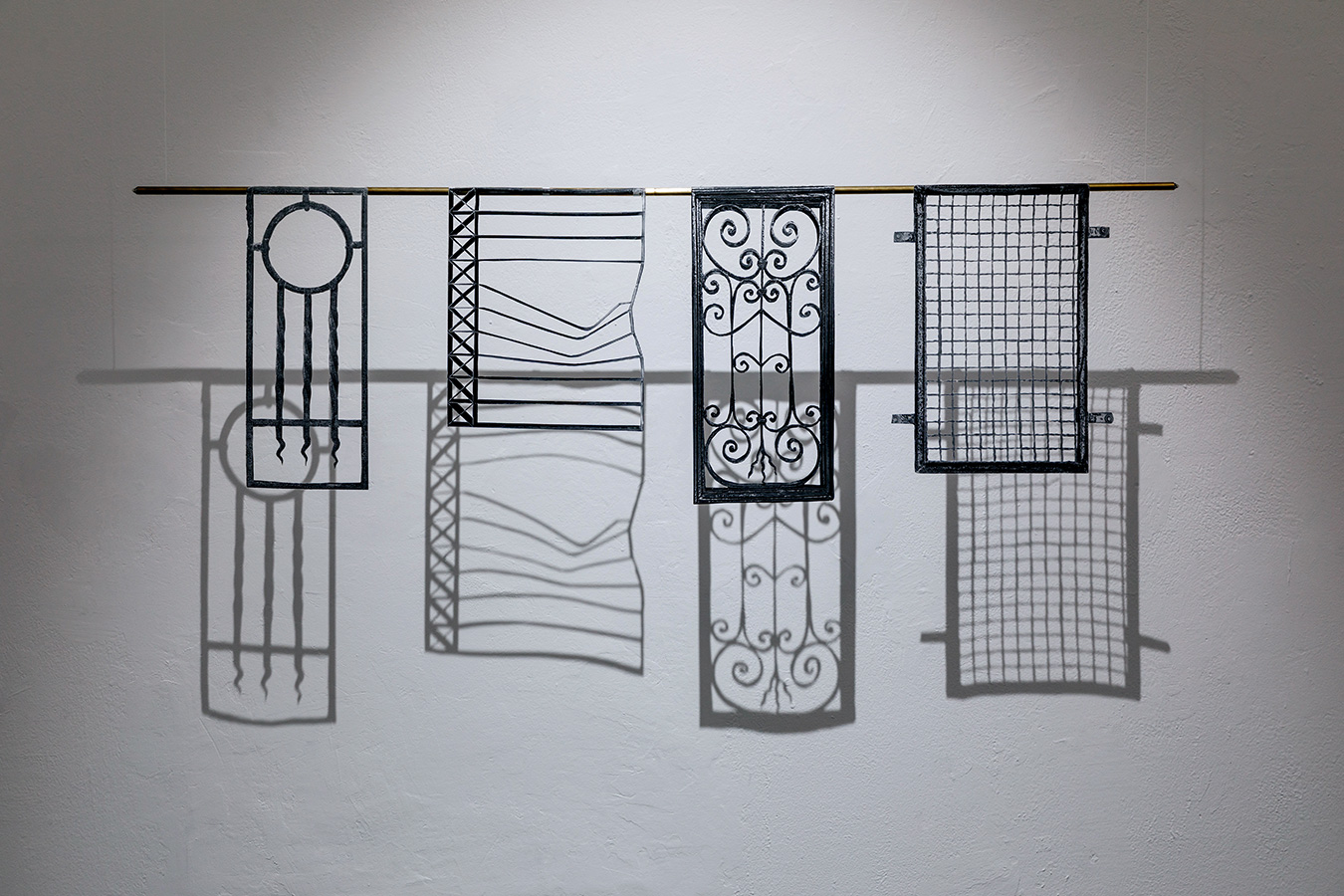
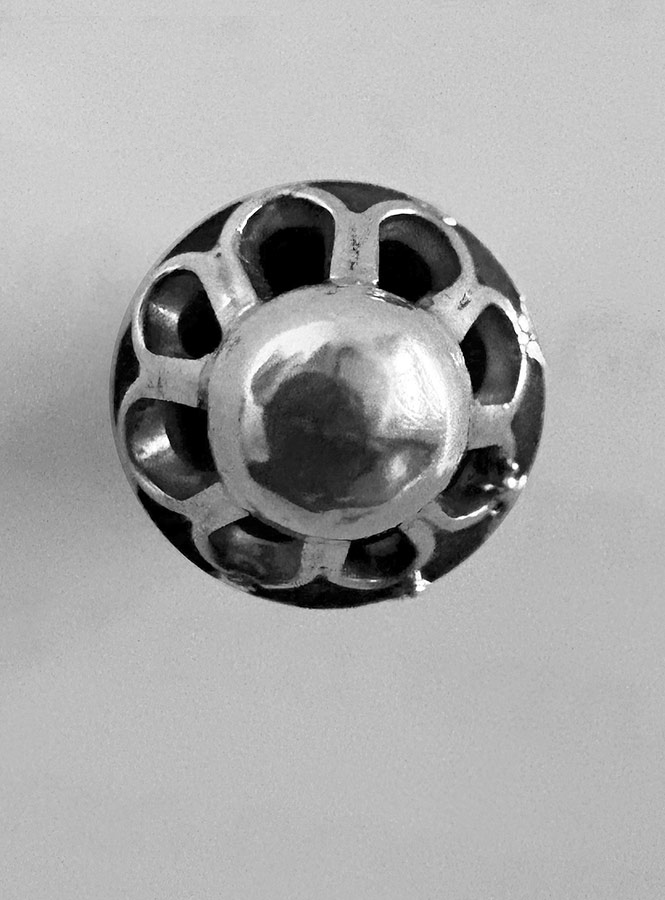
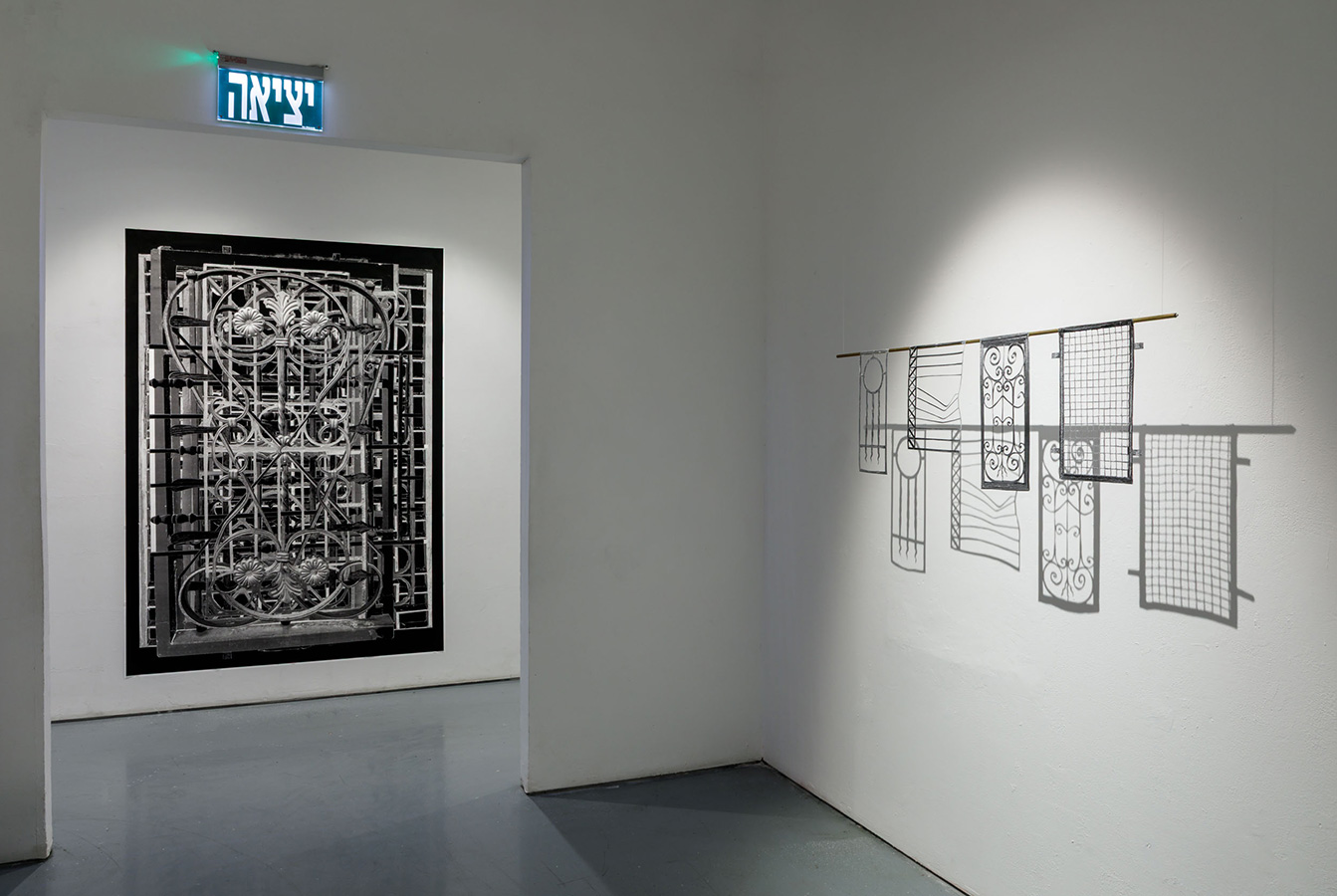
The project consists of three parts, beginning with the artist’s wanderings in the neighborhood in search of its unique forms. The works in black and white, employing various photographic techniques, look through the layers that frame the view of the neighborhood. Collaborating with students from Musrara, who serve as his “sight agents,” Zilberman transforms the botanical and geometric designs of ornate iron grilles photographed in the area into four delicate, perforated sheets of paper resembling lace. Suspended from a thin rod, they move lightly in the space and cast drawnlike shadows on the wall. At the rod’s ends appears a tiny grille shaped like a flower or pupil, a subtle reference to the hidden origin of the name Musrara – daisy-gravel. This body of work, titled Prayer, creates a metamorphosis of material and of the grille motif, a barrier between inside and outside, a physical and emotional theme echoed in conversations with members of the Black Panthers group during the program.
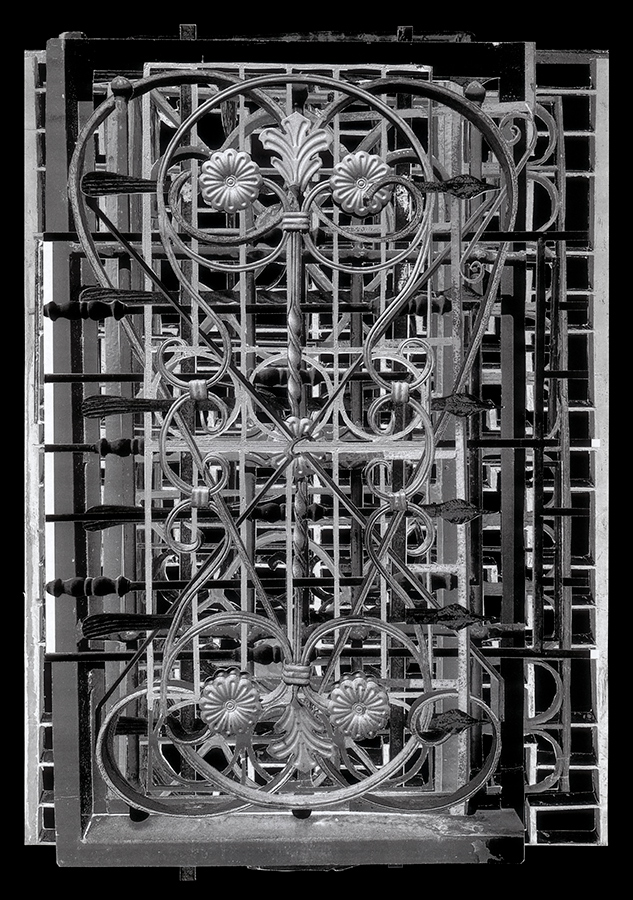
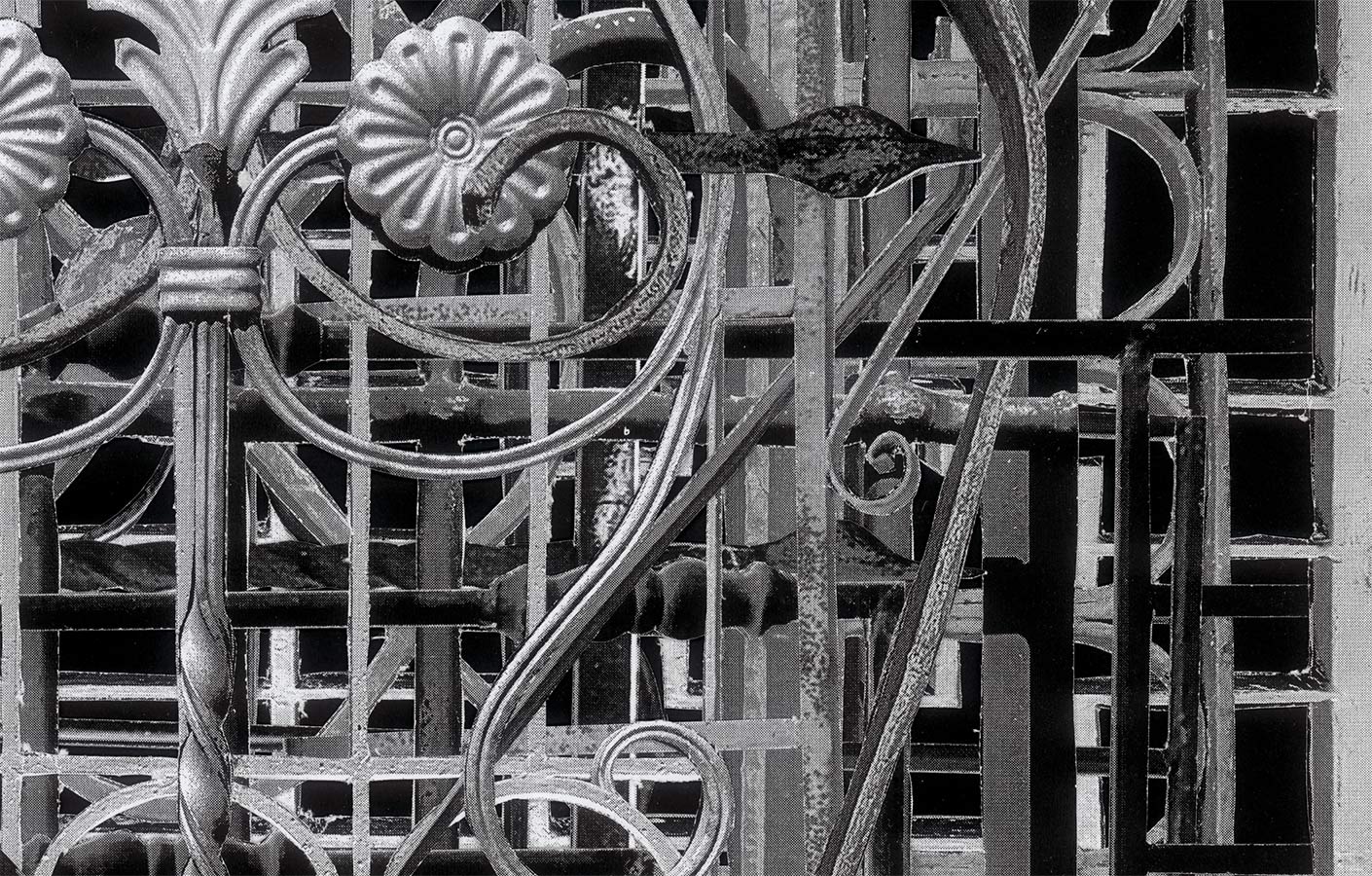
In Weave, Zilberman interlaces layers of grilles and gates into a handmade collage. This imagined, infinite diagram is composed of a densely layered linear labyrinth of paper cuttings and becomes a kind of mirror image, a language of grilles drawn from Musrara itself.
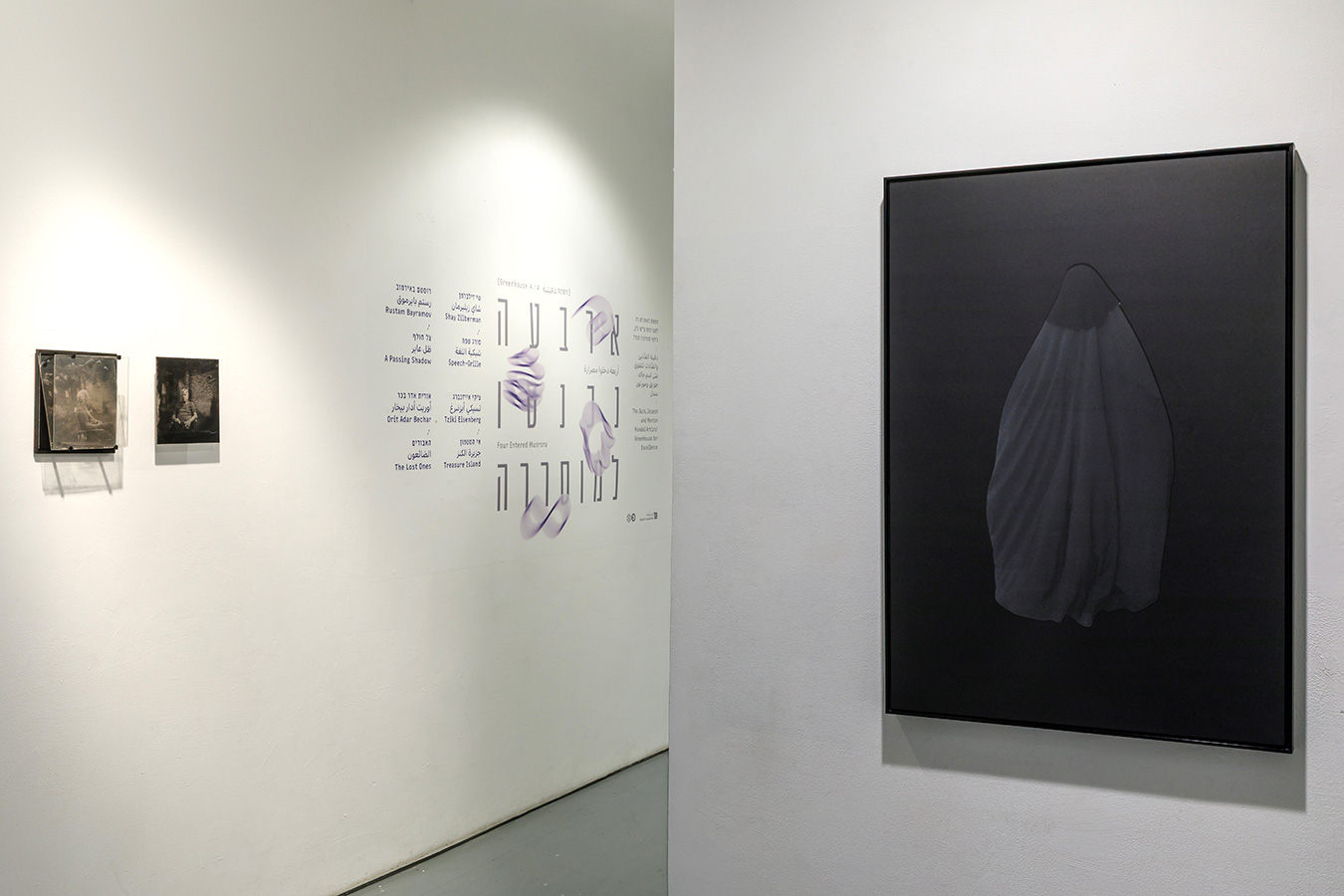
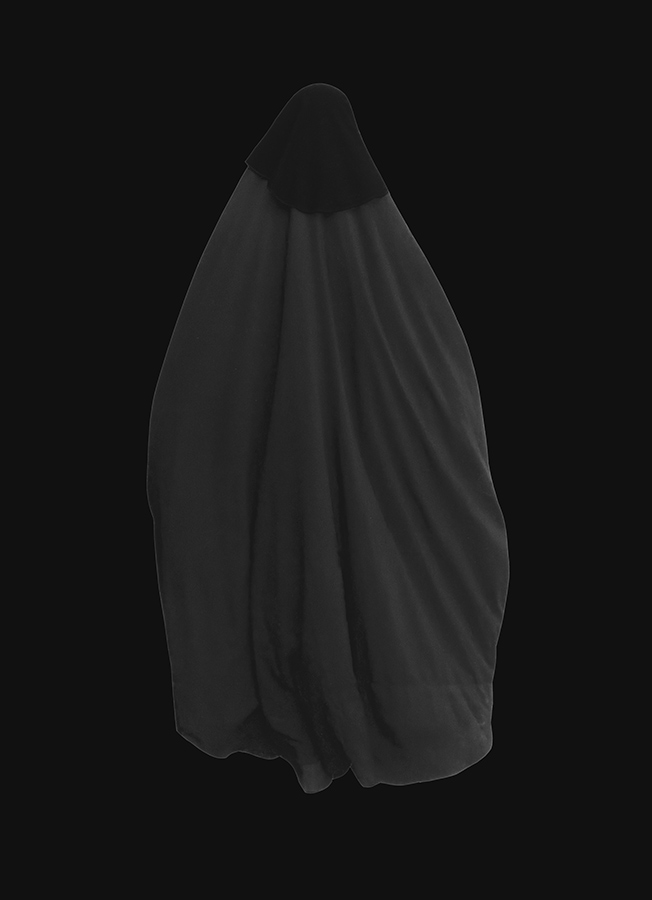
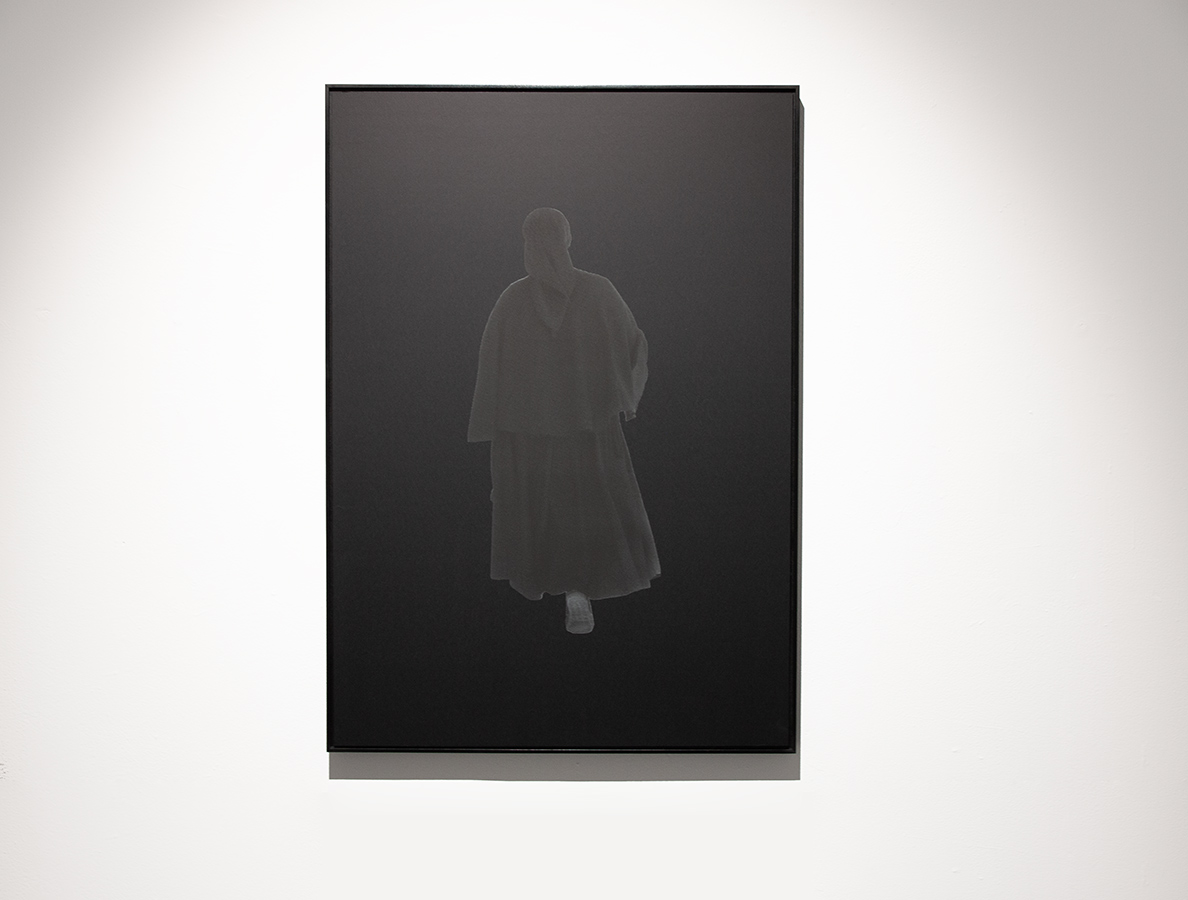
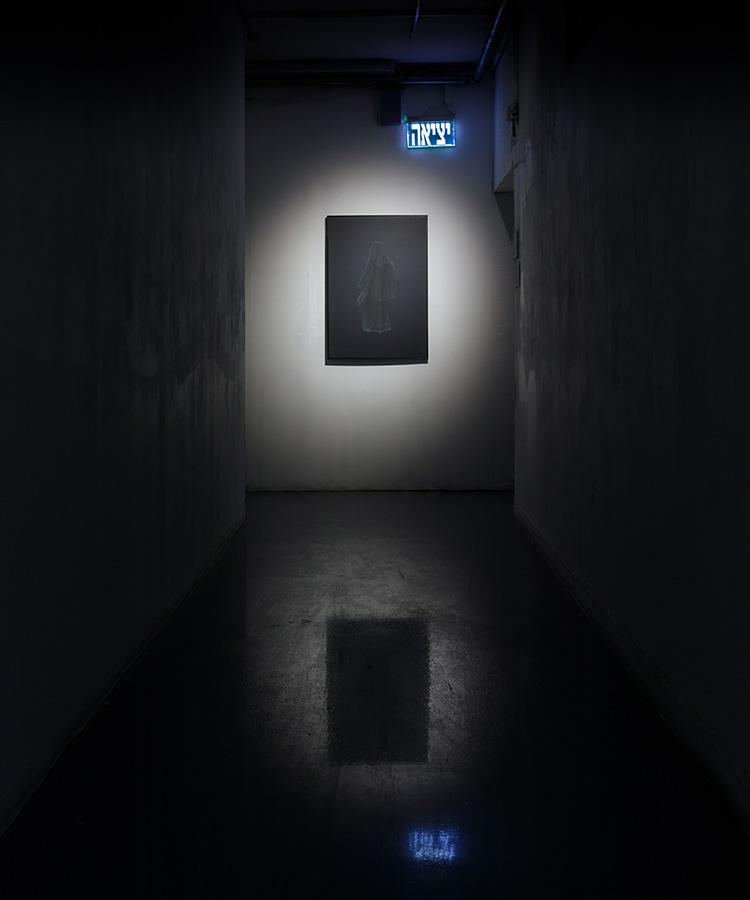
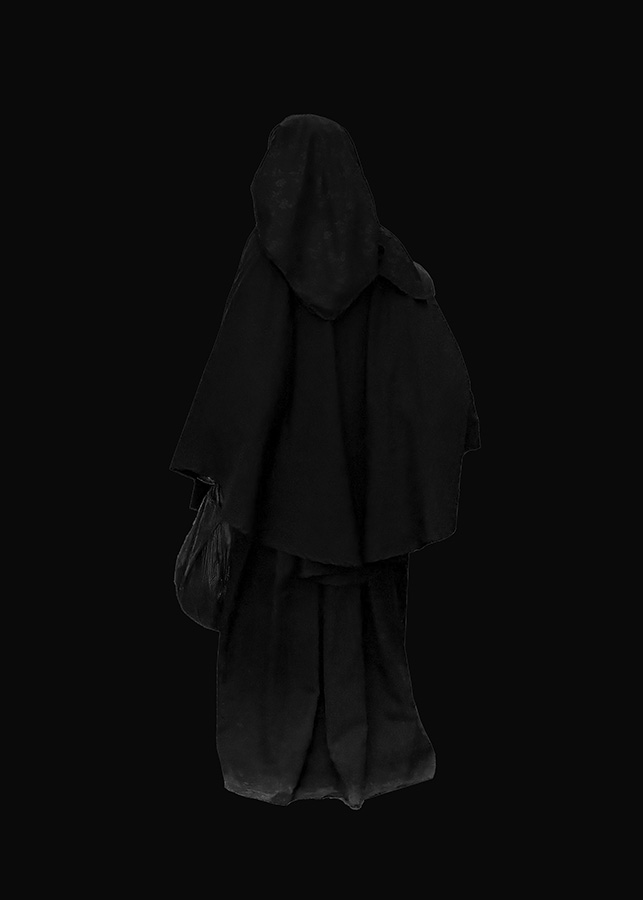
In Four Winds, Zilberman presents processed photographs printed at the Jerusalem Print Workshop. The prints are based on figures of Haredi women, fully veiled in black garments from head to toe, who passed by him in the neighborhood. The four anonymous women, photographed from behind, are detached from the public space and appear to float. Their layers of fabric are meant to obscure the contours of the body as a spiritual practice and as an homage, individual and collective, to the way the four biblical matriarchs were traditionally believed to appear in public. The dark silhouettes, printed in black-on-black paper, are presented as images aspiring to become matter for the spirit.
Curators: Avi Sabag Sharvit and Ayelet HaShahar Cohen